
Life With A Brain Injury: The Hidden and Invisible
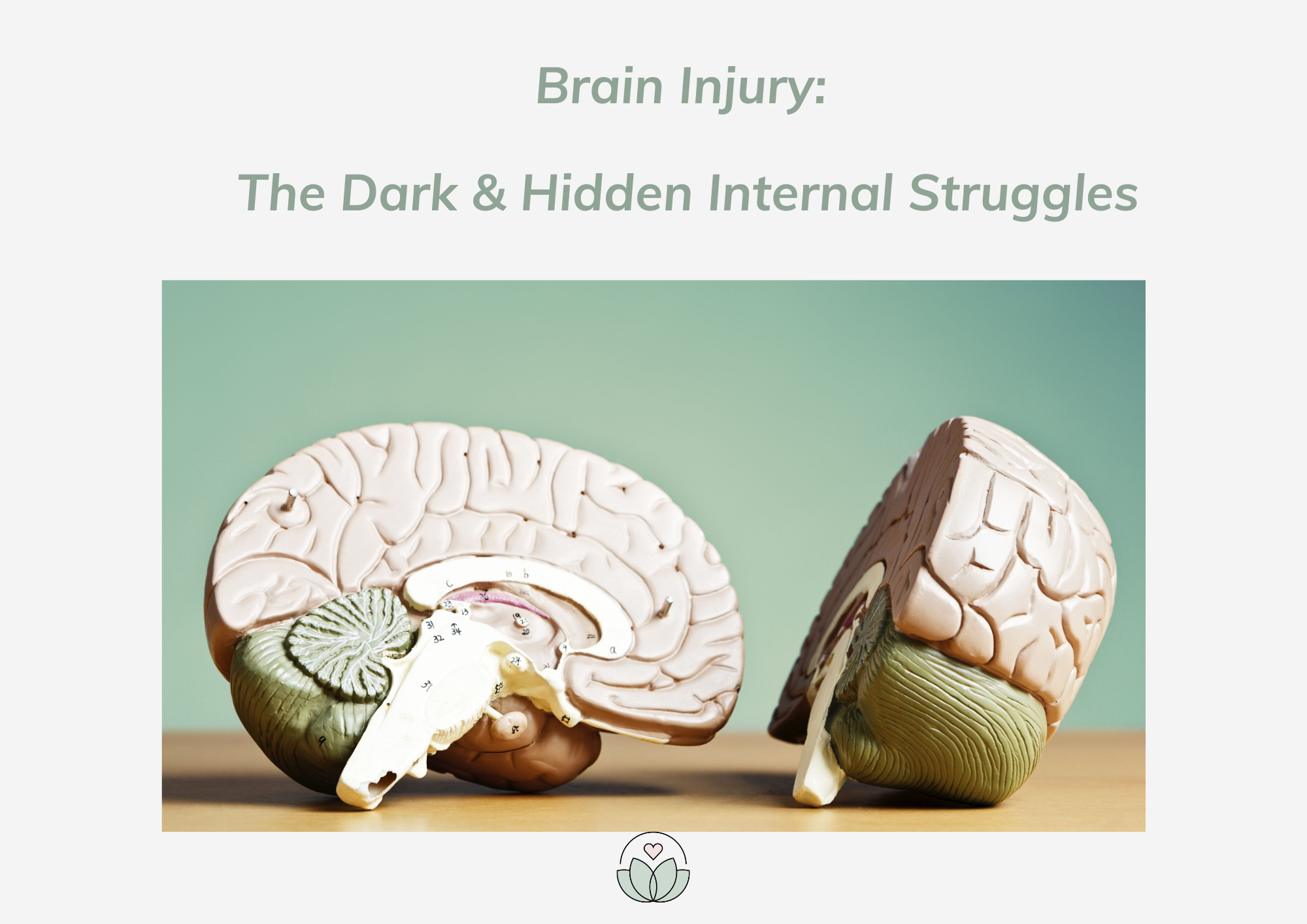
Life With an Invisible Injury: The Hidden and Unseen Challenges of a Brain Injury
Invisible Injury of a Brain Injury: What the outside world doesn’t see.
Having a brain injury or even a major concussion, still classified as a mild brain injury, is one of the many forms of an invisible disability. Similar to mental health, mental illness and many other invisible but very real disabilities, they are often hidden from the naked eye and can be difficult to spot to the outsider which is a challenge that many with a disability experience. Having a brain injury presents with a multitude of challenges and frustrations to the individual and survivor and what you see on the outside, isn’t necessarily giving the full picture of how difficult it is for someone to navigate the daily takes and struggles of every day life that many of us often take for granted. Living with an invisible disability such as a brain injury can be utterly debilitating for the survivor and can be filled with some of the hardest battles someone may face without the outside world knowing.
Are you wondering what it is like as an outsider for those who struggle with a brain injury or major concussion, here is some info about what some daily struggles are like for some survivors to help shed some light about the internal struggles that most on the outside world don’t often know or see.
The daily struggles:
the need for consistent daily structure and organization: because memory can be difficult, brains do better with reptation and consistency. With this, it means the brain doesn’t have to work as hard and means the brain can focus it’s energy on other things. Survivors need consistent structure and routine. If a routine and structure are changed, the person can feel out of sorts and their brain has to work harder to navigate the minor but daily stressors. Changes to structure and routine can completely throw a survivor off track and may feel out of sorts and as though they are a fish out of water. Navigating changes is more challenging compared the average daily person but also similar to someone who struggles with neurodiversity.
out of sight, out of mind. For some survivors, memory and short term recall can be a challenge. Not only is organization and structure important, but so is being able to see things readily available in plan view sight. This is key because survivors sometimes require visual reminders and prompting and when things are put away or hidden from plain sight, it may be difficult to remember where things are or where things are stored. It can also be equally as stressful if someone moves their belongings because individuals rely on structure and routine and when things are moved out of its place, it means the brain has to work harder to navigate the change.
noise: noise is a significant challenge for some. After a significant concussion, head injury or brain injury, it may be difficult to tolerate noise at any levels. The brain is more sensitive then ever. The noise from loud grocery stores can make it challenging to focus and can be distracting. Larger venues such as concerts and football games can also be a challenge. Some have often described the loud noise as debilitating to the point where it may feel as though one might be drunk and unsteady and therefore quite venues or those less stimulating are more forgiving for survivors and are easier to tolerate and function.
literally everything is a constant struggle and takes a lot of work and energy which often leads to exhaustion on a daily basis. Because the brain has to work that much harder, it tires a person out. Just the basics of planning, preparing, executing tasks, thinking, problem solving is a demand on the brain. What may seem like a small and simple task for some may be a lot of work and demand for the survivor.
change is difficult because many often rely on a consistent routine and structure. When things change, the brain can feel out of sorts. Survivors need a lot of preparation and planning for any sort of change. Moving can be stressful for the average individual but can be even more challenging for someone with a brain injury This comes with new structures, routine, things not in it’s regular place and can be incredibly overwhelming and be a lot of added extra stress on the brain on top of the daily life stressors one often faces.
For many survivors, life after a brain injury or significant concussion can look completely different then life prior. Many often refer to this as the “before and after incident”. Grief is also another added challenge. Grieving the life they had before the injury as well as grieving the life for the future that they thought they were going to have is also equally as difficult. Even long into their recovery while everyone else has adjusted, life is still a daily and constant adjustment for the survivor and this is why it’s important to remember that even though you don’t see the injury on the outside or after you think they have healed, there is still a lot of inner struggles that an individual faces and most of the time, outsiders aren’t even aware and this is why it’s important to remember daily kindness and compassion for you never know what someone is struggling with on the inside.
For more info on brain injury education or recovery, contact Mallery@serenityandsoulhealing.com. Mallery has worked extensively with those who have experienced a brain injury and major concussion and is familiar with the challenges of living with a brain injury for both survivors and their loved ones along with how to navigate recovery with a brain injury.
#yqr #yqrmentalhealth #yqrbraininjuryawareness #braininjuryrecovery #yqrcounselling #mentalhealthmatters #serenityandsoul #serenityandsoulhealing
